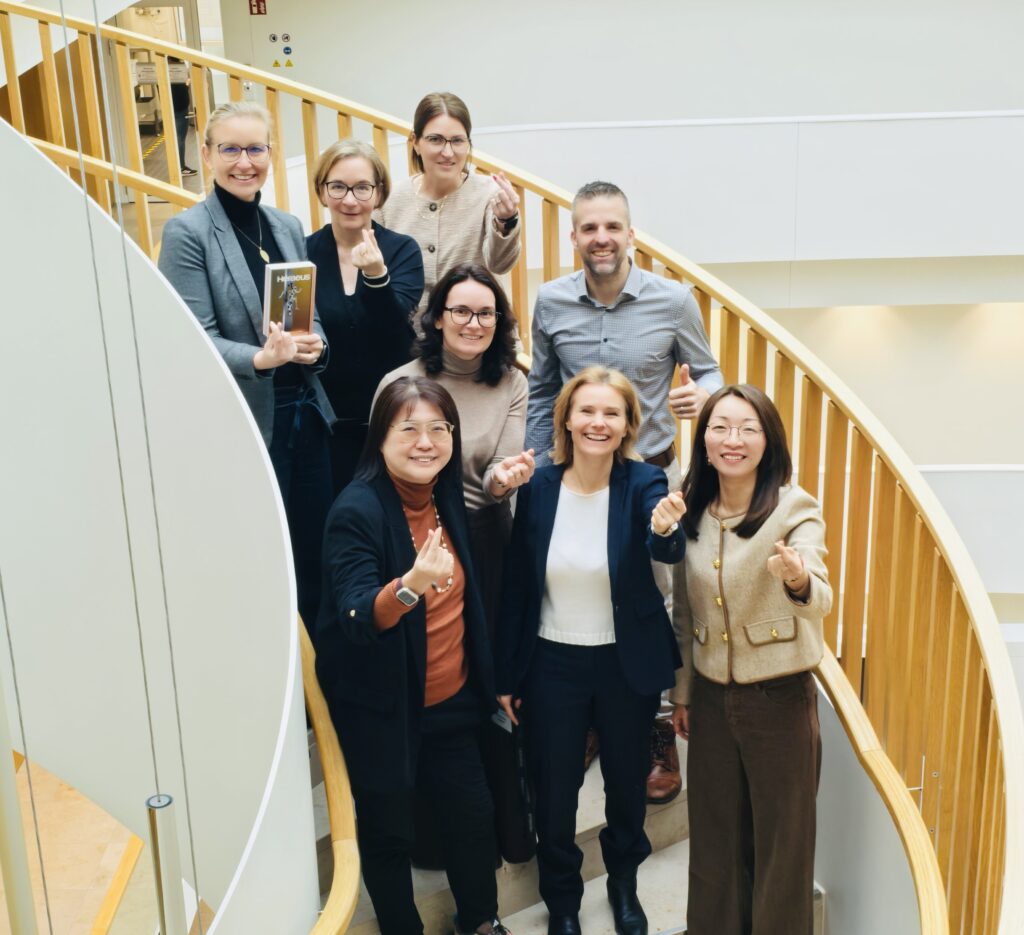
A leader is leaving…
There’s a short farewell email, maybe a speech, at best a farewell drink & pizza. And then… the team is expected to move on.
But that’s 𝘄𝗵𝗲𝗿𝗲 𝘁𝗵𝗶𝗻𝗴𝘀 𝗴𝗲𝘁 𝘁𝗿𝗶𝗰𝗸𝘆.
Because what often remains invisible is that something does stay behind. It looks like an “empty chair.”
But in reality, a lot still clings to that position: memories, fulfilled and unfulfilled expectations, jealousy, loyalty, sometimes even disappointment, nostalgia for “how things used to be,” and thoughts like “it was better back then” or “why is he/she leaving us?”
And then a new leader is recruited. Or internally promoted. Highly motivated. Ready to start. But the team isn’t ready yet.
They constantly compare. They test. They hold back. They don’t say everything, or sometimes they say too much. Not necessarily out of bad intent, but simply because nothing has truly been closed with intention and respect.
This is where 𝗼𝗿𝗴𝗮𝗻𝗶𝘇𝗮𝘁𝗶𝗼𝗻𝘀 𝗺𝗶𝘀𝘀 𝘀𝗼𝗺𝗲𝘁𝗵𝗶𝗻𝗴 𝗰𝗿𝘂𝗰𝗶𝗮l. We are strong at starting, changing, launching new strategies, at setting up new roles and structures. We talk about growth, change, opportunity, the future. But closing with intention and respect? We rarely take the time.
And yet, it saves a tremendous amount of energy, tension, and unnecessary friction.
The power of conscious closure.
Tuckman called this phase Adjourning.
It is the final stage of team development, after Forming, Storming, Norming, and Performing. And at the same time, the most overlooked.
Because when a team doesn’t close, it remains stuck somewhere. In the past. In what was. In what was never said. Perhaps broken trust. Perhaps a feeling of being left behind.
And most importantly: the new doesn’t get a fair chance!
It can take up to two years for a new team culture to stick and a team truly starts looking forward again, especially after a sudden departure that was never properly processed.
But what happens when you do take the time?
Recently, I guided a team through such a transition. Their leader, Manuel, had been an anchor for years, both professionally and personally. But he was ready for a new challenge.
On his second-to-last day, we organized an “adjourning workshop.”
So instead of immediately looking ahead, we first paused.
We looked back. We created a timeline. We reflected on the team’s journey: from the moment Manuel joined to where they are now, at his departure.
They revisited the highs, the lows, the difficult moments they moved through, and the breakthroughs they achieved together.
People shared what they had learned, what they were taking with them, and what this collaboration had meant to them.
The leader listened and was fully present.
Things were said that would otherwise never be spoken: appreciation, the impact Manuel had on them, gratitude, and sometimes even frustrations that had never been fully processed.
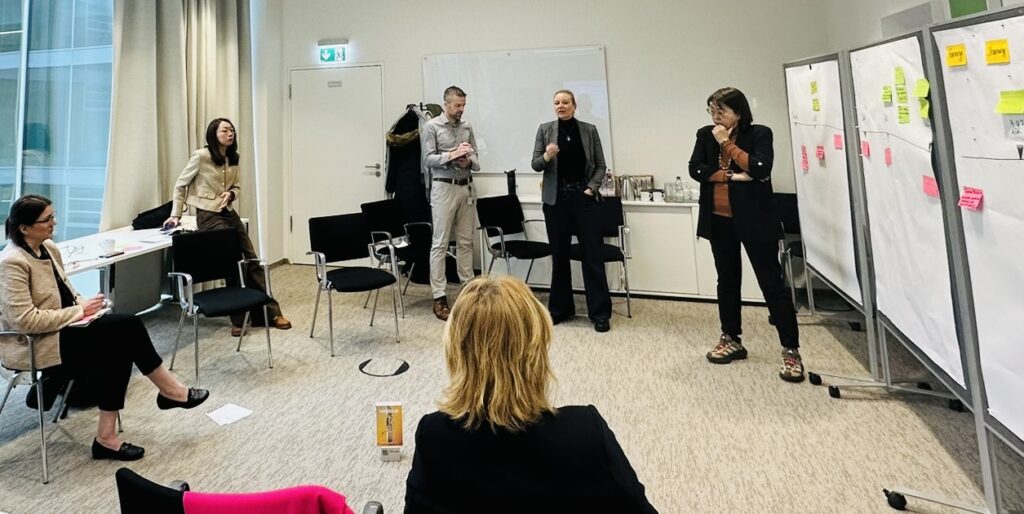
And then something subtle,
yet powerful, happened.
Everyone made a physical movement.
A step. Over a rope. A line between the past and the future.
What am I leaving behind?
What am I stepping into?
And how do I want to show up?
It created space. Something was completed. Not just rationally, but emotionally and humanly.
The chair became truly empty.
And the new leader, who would start a month later, could step into a cleared space. She was able to begin with a team that was ready.
The team was ready to welcome a new energy and receive her, with greater clarity about what they need from a leader and how they see the future.
Within a month, the team was performing at a high level.
Conclusion
When teams close well:
integration of a new leader accelerates,
underlying resistance decreases,
trust increases,
and the strength that has been built is preserved.
You avoid putting a new leader in a position where they have to fight against a past that was never truly closed.
You create continuity, not despite change, but through how you handle it.
Which leaves one simple, yet essential question:
How do you help your teams not only move forward… but also close?
© Elke Van Hooreweghe